
A well-filled tool chest is a technician's key asset for fundamental tasks like measuring wood to driving screws with precision. This tutorial furnishes understanding to pick the right implements and employ them properly.
- Begin by assembling a core set of essential hand tools, including hammers, screwdrivers, wrenches, pliers, saws, and measuring tapes.
- Become familiar with tool functionality and the unique contexts where they apply.
- Practice your techniques through hands-on projects, gradually increasing the complexity.
Remember, investing time in mastering hand tools is an investment in your craftmanship. With correct expertise, tools act as extensions of your skills to complete challenging projects precisely.
Boost Project Efficiency with Power Tools
Aiming to improve workflows? Investigate power tools that bring together accuracy and effectiveness. These critical tools can upgrade your craft for both experienced workers and hobbyists. From potent drills to specialized saws, power tools deliver diverse capabilities for building projects.
- Use cordless impact drivers for efficient fastening and teardown tasks.
- Perfect use of reciprocating saws to achieve speedy and clean cuts across materials.
- Enhance woodworking using robust planers and jointers to attain precise smooth finishes.
Leverage advantages of power tools to speed project timelines and achieve notable results.
Precision Workflows Simplified
When exactness counts, proper measuring instruments shift results significantly. From common tapes to advanced digital calipers, measurement aids support accurate execution of designs. Whether experienced pro or novice maker, learning these tools unlocks broader potential.
- Peruse the full spectrum of measurement instruments for distinct tasks.
- Comprehend the specialized roles and benefits of every measuring tool type.
- Advance your capability in precise measurement and practical usage.
Tool Collections for Every Job
Professional or enthusiast, the ideal set of tools is fundamental to project execution. In jobs from screwwork to furniture assembly, a proper set ensures efficient, safe and accurate results. To select the right kit, evaluate the most common tasks you handle.
Consider whether a broad tool collection or a concise specialized kit fits your needs? With your needs defined, review brands to compare features, performance and pricing. Be sure to consult user reviews online for practical feedback prior to purchase.
Through considered research and planning you'll determine the suitable toolset to take on projects confidently.
Maintain Your Hand Tools for Best Results
Regular care of hand tools remains essential for reliable craft work. Avoid neglect—unmaintained tools produce dull blades, defects and poor experiences. Sustained care maintains tools in top condition for prolonged reliable use. Post-use cleaning removes dust and debris to protect tools. Store them in a dry place to prevent rust and corrosion.
- Maintain blade sharpness with periodic stone or file sharpening sessions.
- Lubricate mechanisms with fitting oil to reduce friction and prolong service life.
- Inspect grips routinely for wear and substitute damaged handles as necessary.
Adhering to these maintenance practices will lengthen the lifespan of tools and enhance your workflow.
Essential Hand Tools for the Home Workshop
A properly outfitted workshop becomes a sanctuary for DIYers and tinkerers. While specialty tools can be useful, having a solid foundation of essential hand tools is key to tackling a wide range of projects. Essential picks include a dependable hammer, an adjustable wrench and a solid tape for accurate measuring. Don't forget about screwdrivers in various sizes, pliers for gripping and twisting, and a utility knife for cutting through materials. An efficient saw delivers exact cuts and a level secures alignment and evenness.
- Key Hand Tools for DIY Workspaces
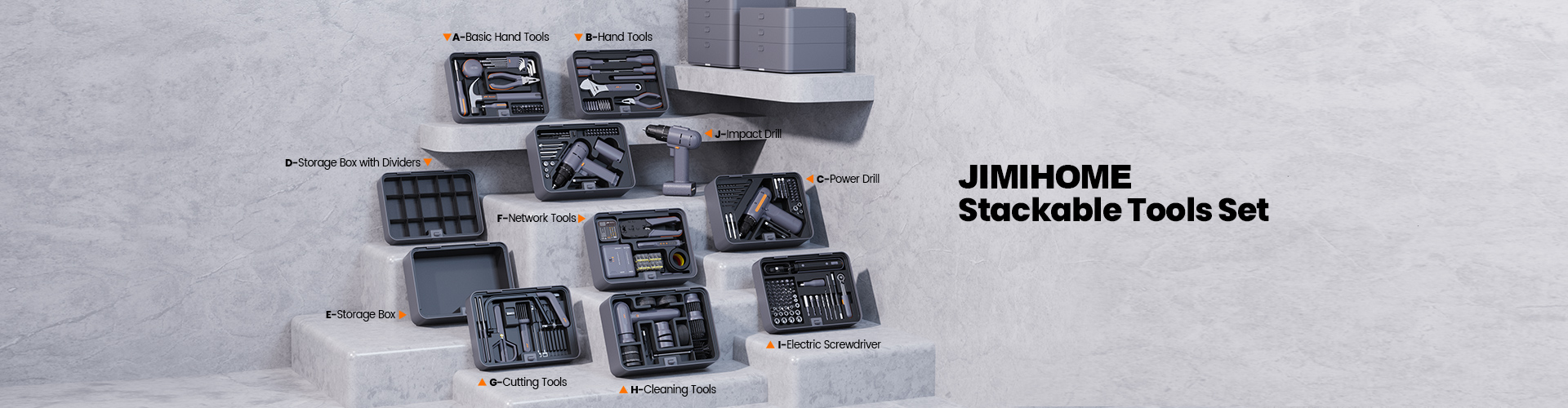
Power Tool Safety: A Practical Handbook
Power tools constitute robust equipment delivering significant power and productivity. However, these formidable machines also require a deep understanding of safety protocols. Failing to take precautions may cause severe harm. This resource clarifies power tool safety, providing knowledge and practices to operate securely.
Start by reviewing your tools' manuals carefully and understanding distinct safety aspects. Always wear appropriate personal protective equipment (PPE), including safety glasses, hearing protection, and gloves. Service tools periodically to guarantee optimal performance.
Safety should always be the leading consideration in any work area. Following these safety tips helps you operate power tools effectively and securely.
Choosing the Right Tools for Accurate Measurement
For dependable measurements, the tool selection you make is vitally significant. Multiple types of measuring devices are offered, each built for distinct tasks. Understanding distinctions between tools is central to informed choosing. Evaluate factors including precision, resolution and measurement method when choosing a tool.
- To secure accurate length measurements, use a ruler or tape measure.
- To measure angles, a protractor is essential.
- For fine dimensional work, digital calipers are particularly suitable.
Careful choice of appropriate tools secures precise and dependable results.
Choosing the Top Tool Collection

Searching for the right tool set may be exciting and somewhat intimidating. With a plethora of options available, it's easy to feel overwhelmed. This thorough resource equips you to select the perfect toolkit for your needs.
Initially, consider the nature of projects you expect to undertake. Are you a pro or a starter? Definitive goals assist in reducing options.
- Use both hand and power tools together when suitable for optimal, efficient results Blend both tool types where appropriate to maximize productivity and precision Utilize both categories of tools to achieve efficient, successful project results
- Concentrate on securing essential tools
- A reliable hammer, mallet or sledgehammer
- Screwdrivers, adjustable wrenches and pliers—an adaptable kit is essential
- Measuring tools: tape measure or ruler
- Level and transit or plumb bob for correct alignment
Evaluate the construction materials, budget and brand reputation before buying. Recall that durable toolsets offer long-run value.
DIY Made Simple: Using Tools Effectively
Starting out on a DIY project can feel like a big step. But don't worry—using suitable tools and some know-how makes tough tasks manageable. Commence by familiarizing yourself and learning tool functions. Peruse manuals thoroughly and practice techniques in a safe space. Remember, safety should always be your top primary first priority. Wear suitable PPE including goggles, gloves and earplugs to shield yourself.
When selecting tools, focus on durability and dependable build quality. Choose trusted brands known for reliability that last over time.
Ask for tips from experienced DIYers or professionals at nearby hardware outlets. Store pros and experienced DIYers can share practical suggestions and insights for picking ideal tools.
- Sharp tools enhance safety and accuracy—keep them well-sharpened.
- Store tools correctly to maintain condition and prevent loss.
- Venture into new projects to broaden DIY experience and skills
Power vs Hand Tools: How to Choose
Tackling a project around the house or workshop? Deciding between power tools and hand tools can be a head-scratcher dilemma challenge. Despite power tools' efficiency and strength, hand tools still are essential for accuracy and small-scale jobs. This summary aids in selecting the most fitting tool option for the work required.
- Hand tools are well-suited for fine detail work, careful assembly and delicate repairs. They deliver improved handling and are typically more cost-effective and affordable.
- Power tools perform best when you need speed and efficiency for sawing, drilling and surface work. They can significantly dramatically substantially reduce time effort labor.
At the end, the optimal choice depends on project needs, user skill and cost considerations. Use both hand and power tools together when suitable for optimal, efficient results.